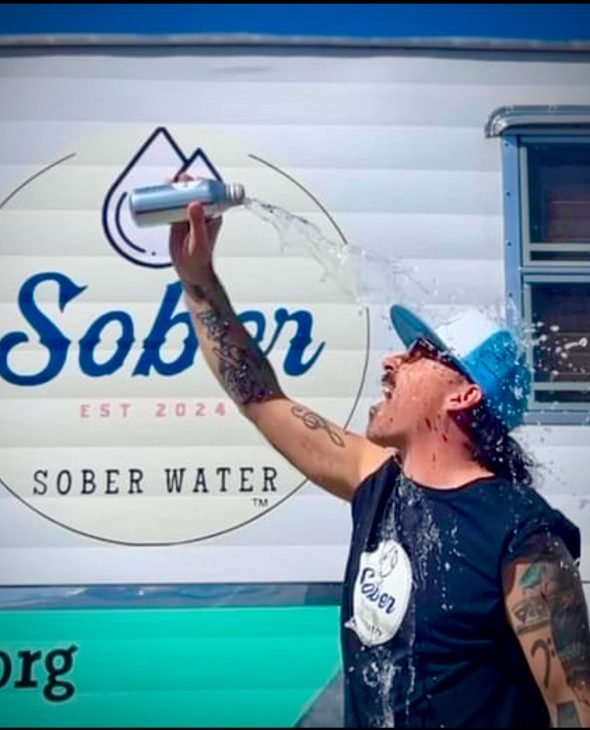
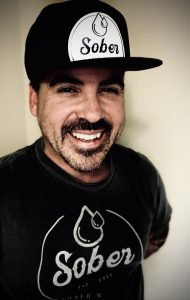
 In the culinary world, we often see nourishment as something that happens in the kitchen—through ingredients, recipes, or the hands of someone who loves to feed others. But sometimes, nourishment shows up in a completely unexpected form. In Durango, it comes in a simple aluminum bottle of water.
Ryan Whittaker never aimed to create just another beverage brand. He wanted to build something that felt genuine, meaningful, and centered around service—something that recognized how vital water is not only to our bodies but also to our sense of belonging. His company, Sober Water, may be new, but its mission goes far beyond just selling drinks. It’s a community-focused effort to help people rebuild their lives with dignity, stability, and hope.
Whittaker openly discusses how hard it can be for people in recovery to find consistent support systems. For many, the journey to healing is disrupted by homelessness, limited resources, or the daily struggle to stay afloat. Instead of letting these cycles persist, he envisioned a model where a basic need—clean, thoughtfully packaged water—could help support a more compassionate future.
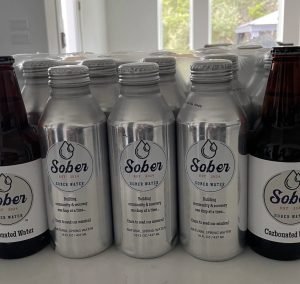 Sober Water’s approach is refreshingly simple: cut down plastic waste, use eco-friendly packaging, and focus resources on recovery programs and sober living spaces. Their bottles—sleek, reusable aluminum for still water and deep-toned glass for sparkling—show both environmental awareness and the craftsmanship you’d expect from an artisan food producer. They feel deliberately made, not mass-produced.
The heart of the company is on a 40-acre property in Southern Colorado, where plans for a rehabilitation center and sober homes are already in progress. It’s a vision rooted in the belief that healing needs space—space to breathe, to rest, and to reimagine one’s future. In many ways, it reflects the philosophy behind good cooking: start with quality ingredients, give them time and care, and create something that can support a person from the inside out.
Launching such a mission-driven company required more courage than Whittaker expected. It involved challenging an industry built on convenience and disposability and replacing it with something based on stewardship. But the idea resonated quickly—proof that people desire products that carry meaning, not just marketing.
What’s striking about Sober Water is that it feels like a part of the local creative scene, even though it’s not a culinary studio or farm. It shares the same spirit we see in many food artisans across Southwest Colorado: a dedication to craft, a love for the land, and a belief that nourishment is a shared experience. Whether you’re sipping a Morning Bun latte in Mancos or biting into a farm-grown salad in Pagosa Springs, you can recognize that same quiet dedication to making life better for someone else.
Sober Water reminds us that creativity isn’t always about paint on a canvas or butter mixed into dough. Sometimes, it’s a bottle of water meant to change a life—and a community ready to support it.
Visit Sober Water to learn more!